Do I Need Planning Permission for a Container in Kenya? (2026 Guide)
Placing a shipping container on your property in Kenya isn’t always as simple as just buying and delivering. Depending on your location, intended use, and local county regulations, you may need planning permission or other approvals.
This guide covers what you need to know to stay compliant while setting up your container home, shop, or storage unit.
When Planning Permission is Typically Required
Permanent Structures: If your container will be a permanent fixture—especially for residential or commercial use—most Kenyan counties require approval.
Commercial Use: Container shops, restaurants, offices, and businesses generally need county permits and business licenses.
Residential Conversion: Container homes are considered buildings and typically require building plan approval.
Multiple Containers: Larger developments or container complexes usually need planning approval.
Urban Areas: Cities like Nairobi, Mombasa, and major towns have stricter enforcement than rural areas.
When Permission May Not Be Required
Temporary Storage: A container used purely for storage on private property, without permanent foundations, may not require formal approval in some areas.
Agricultural Use: Farm storage containers in rural areas often have more relaxed requirements.
Short-term Placement: Containers for construction site storage during building projects.
However, regulations vary significantly by county, so always verify locally.
Approvals You May Need
County Physical Planning Department:
- Development permission for permanent structures
- Change of use approval (if land isn’t zoned for your intended use)
National Environment Management Authority (NEMA):
- Environmental impact assessment for larger projects
- May apply to commercial developments
County Business Permits:
- Required for any commercial operation
- Renewable annually
National Construction Authority (NCA):
- May apply to modified containers used as buildings
- Ensures structural compliance
Public Health Department:
- Food handling permits for container restaurants
- Sanitation requirements for ablution containers
The Approval Process
While processes vary by county, typical steps include:
- Consult your county physical planning office about requirements
- Submit architectural drawings if modifications are planned
- Pay applicable fees for plan approval
- Obtain development permission before installation
- Apply for occupation certificate after setup (for buildings)
- Get business permits for commercial operations
Practical Advice
Start Early: Approval processes can take weeks or months. Begin before ordering your container.
Use Professionals: Architects familiar with container buildings can navigate approvals faster.
Document Everything: Keep copies of all permits and approvals.
Talk to Neighbours: Good relations prevent complaints that might trigger enforcement.
Consider Location: Some areas are more container-friendly than others.
What Happens Without Permission?
Operating without required approvals can result in:
- Fines from county authorities
- Orders to remove the container
- Inability to get business licenses
- Complications when selling property
- Legal disputes
We Supply Compliant Containers
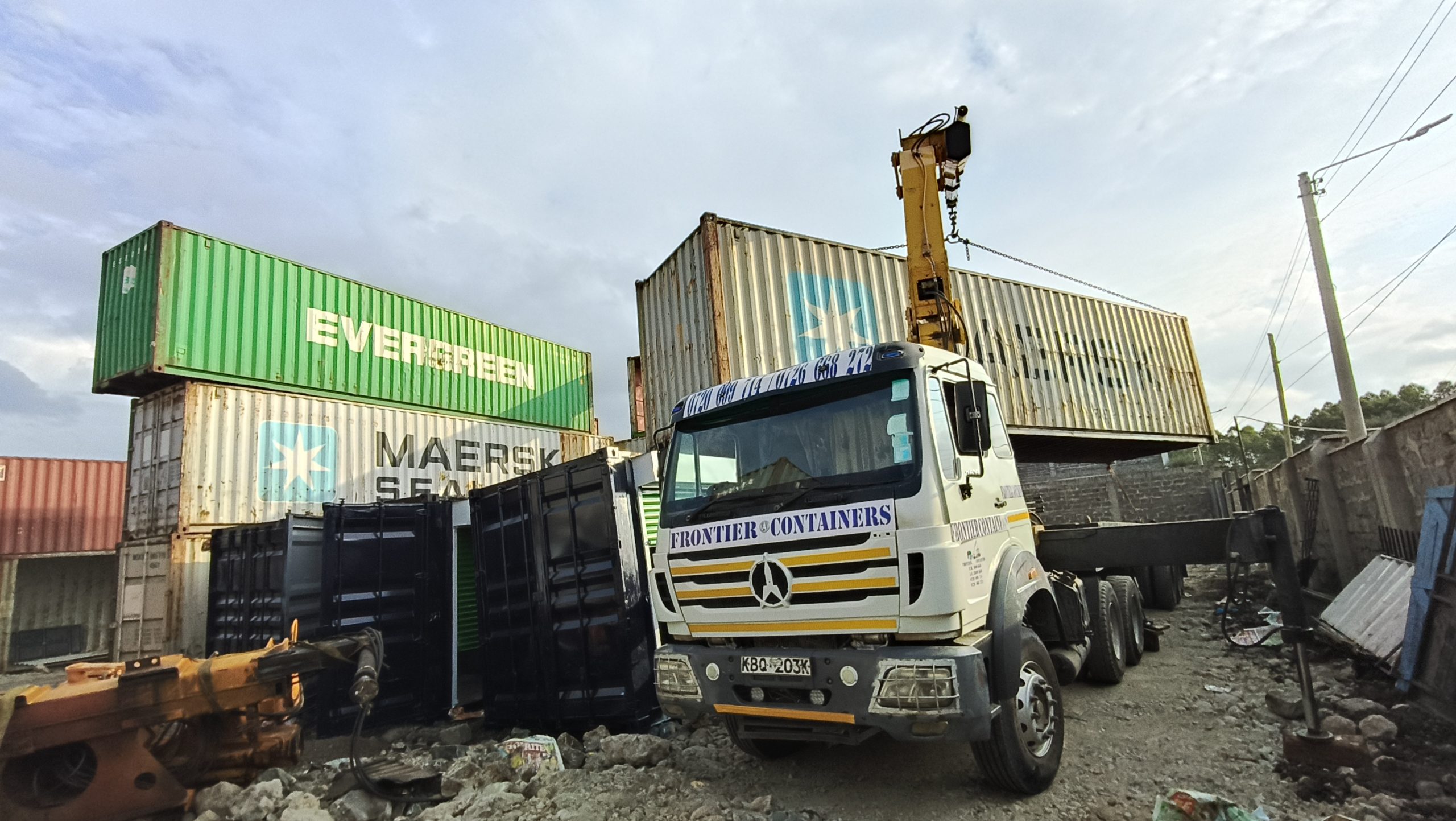
Frontier Containers EA Limited provides quality containers suitable for approved projects. We can advise on what works for different applications and connect you with fabricators who understand building requirements.
Contact Us:
FAQs: Container Planning Permission Kenya
1. Do I need permission for a storage container on my property? For temporary storage on private land, often not—but check with your county. Permanent installations usually require approval.
2. What permission do I need for a container shop? Typically: development permission, business permit, and possibly change of use approval depending on zoning.
3. Are container homes legal in Kenya? Yes, but they require building plan approval like any other residential structure.
4. How long does planning approval take? Varies by county—anywhere from 2 weeks to 3 months. Start early.
5. What are the penalties for not having permission? Fines, removal orders, and inability to operate legally. Not worth the risk for commercial projects.
6. Do rural areas require permission? Requirements are often less strict, but always verify with local authorities.