Container Cladding for Used Containers for Sale in Kenya
Make Your Container Look Great and Last Longer
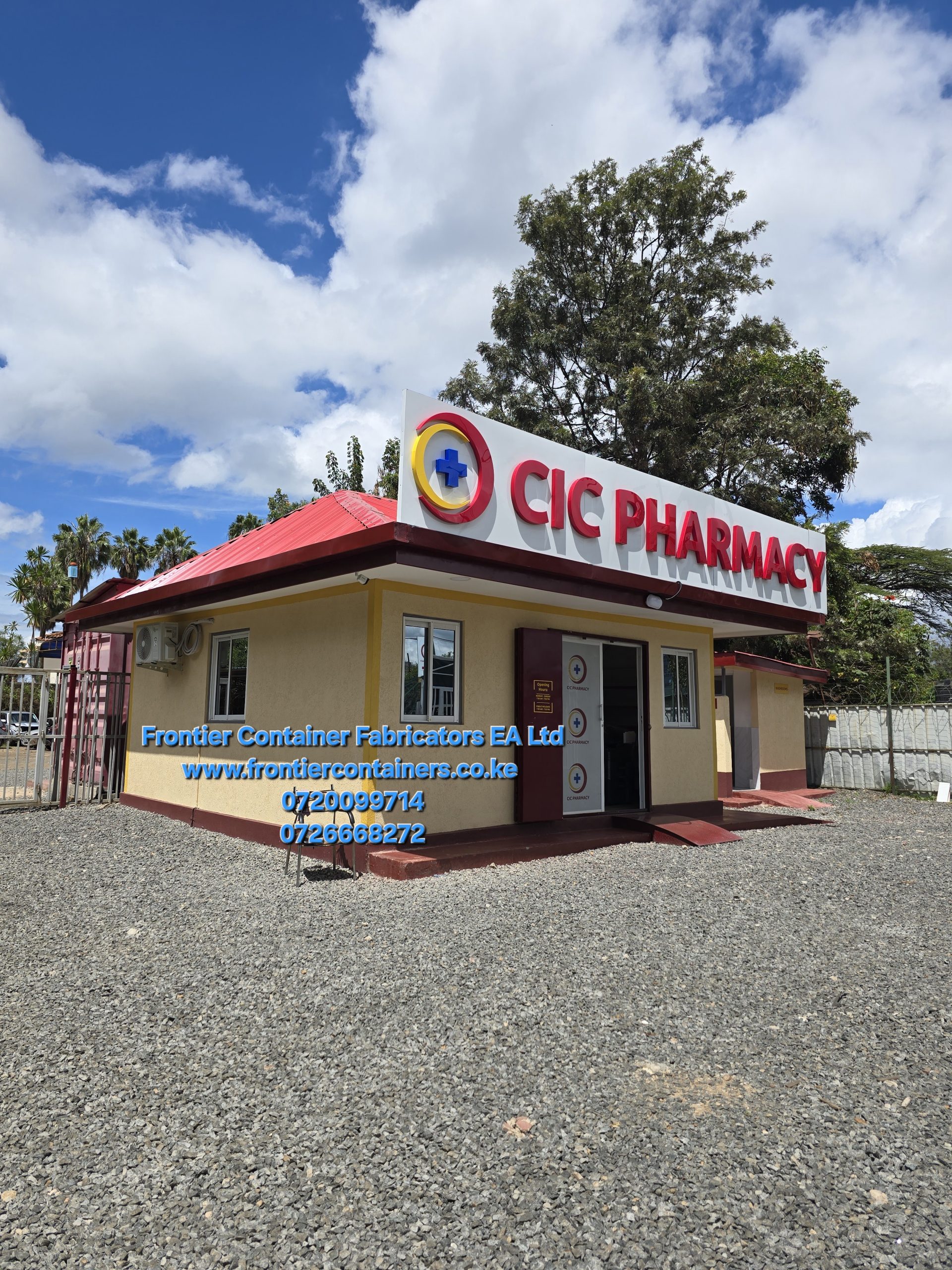
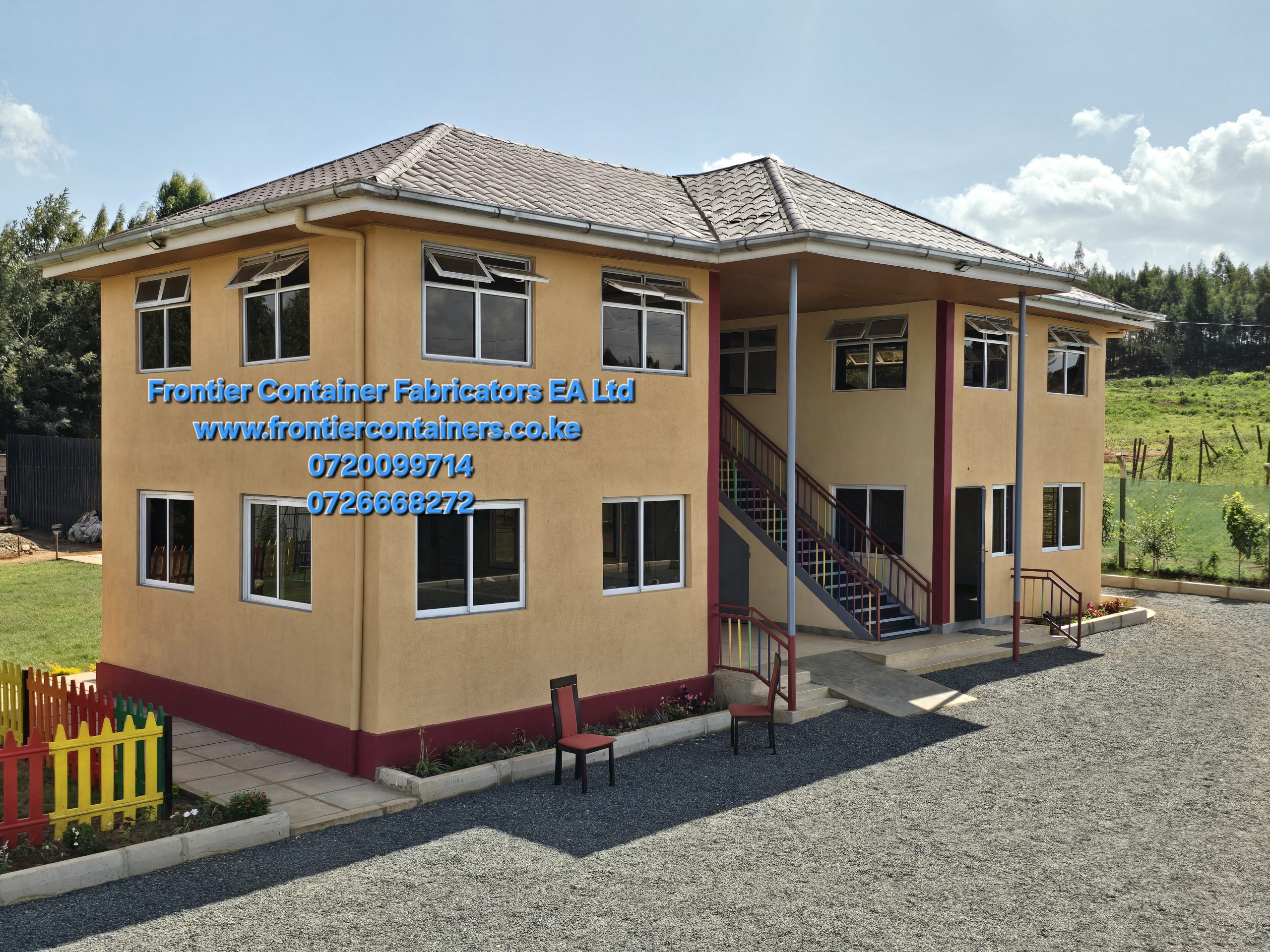
Shipping containers are very strong and useful for many projects like homes, offices, shops, and schools. But some people don’t like the way the outside looks with its grooved (wavy) steel walls. Container cladding is a way to cover these walls to make the container look better and sometimes last longer.
At Frontier Containers EA Limited, we understand that how your building looks is very important. We offer expert container cladding services in Kenya to help you create a container structure that looks exactly how you want it to.
What is Container Cladding?
Container cladding is the process of adding a new outer layer or covering to the outside walls (and sometimes the roof) of a shipping container. The main reasons people choose cladding are:
- To Improve Appearance: Many people think the corrugated steel look is too industrial or not attractive enough for homes, shops, or offices. Cladding can completely change the look to something modern, warm, or stylish.
- To Add Extra Protection: While containers are already very strong and weatherproof, cladding can add an extra layer of protection against things like extreme sun, heavy rain, or physical damage. It can also help with insulation.
- To Match Existing Buildings: If you are adding a container structure next to a house or other buildings made of brick, wood, or stone, cladding can help the container blend in better.
Why Choose Container Cladding for Your Project?
Here are some good reasons to consider cladding your container structure:
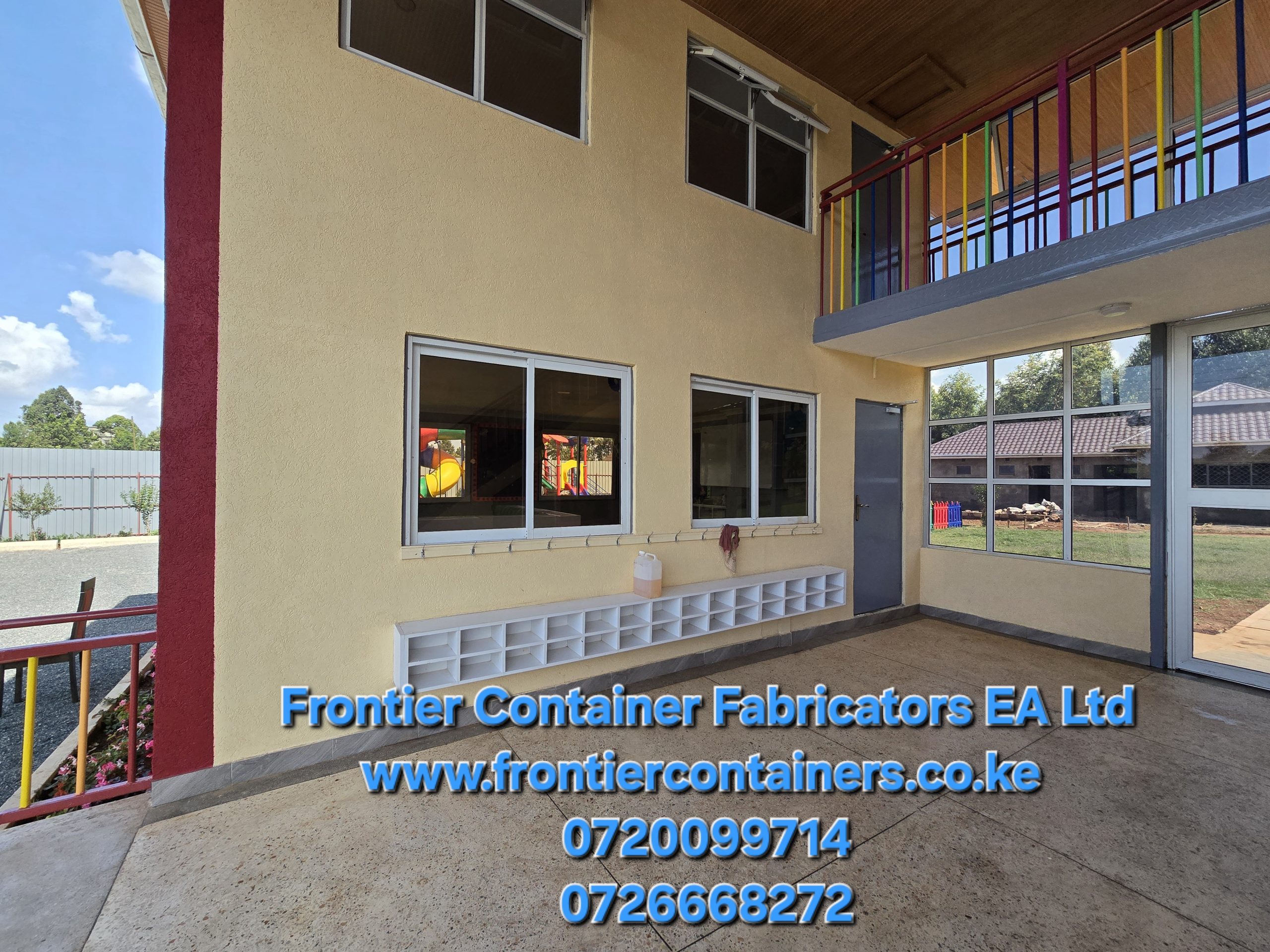
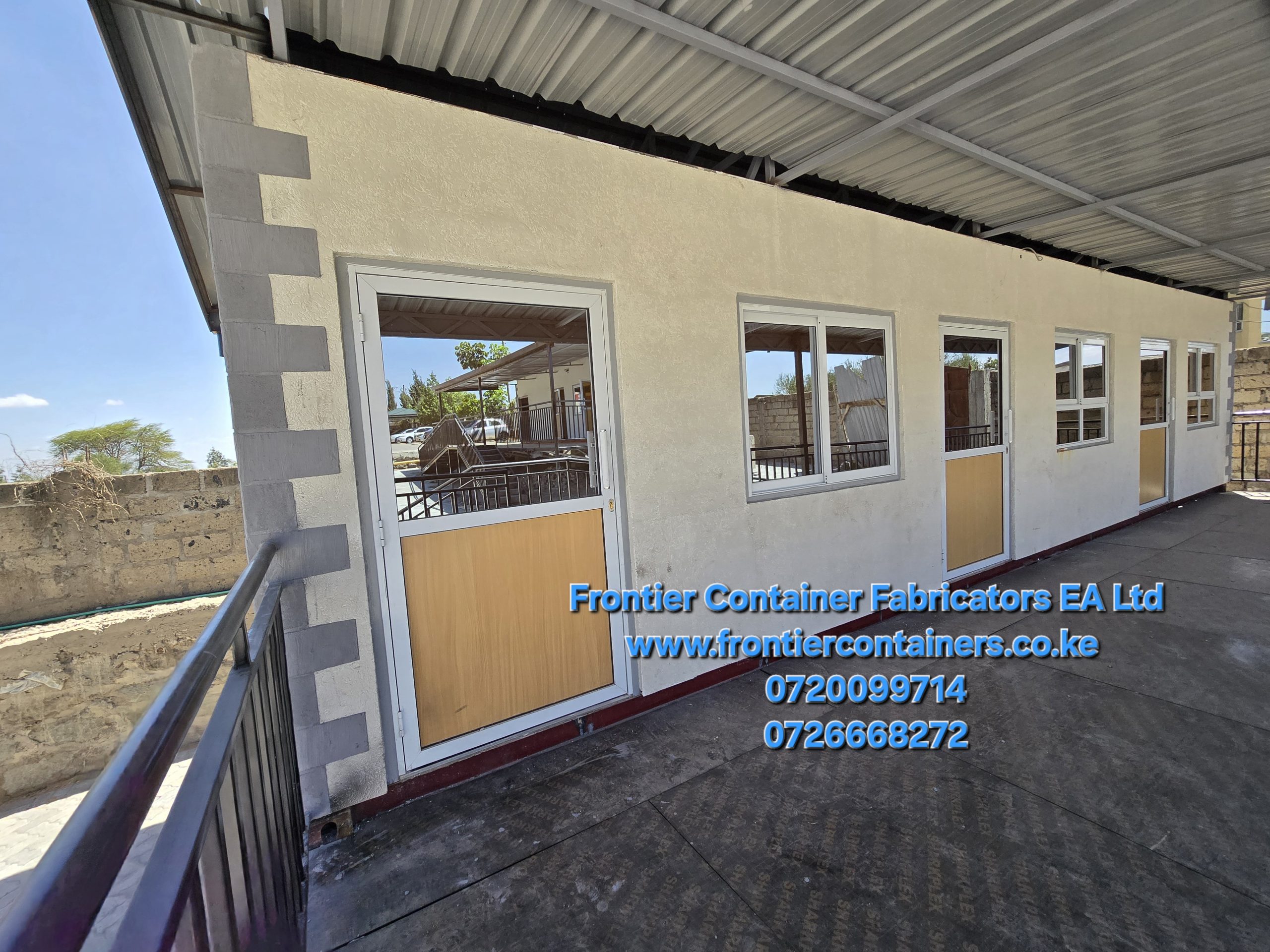
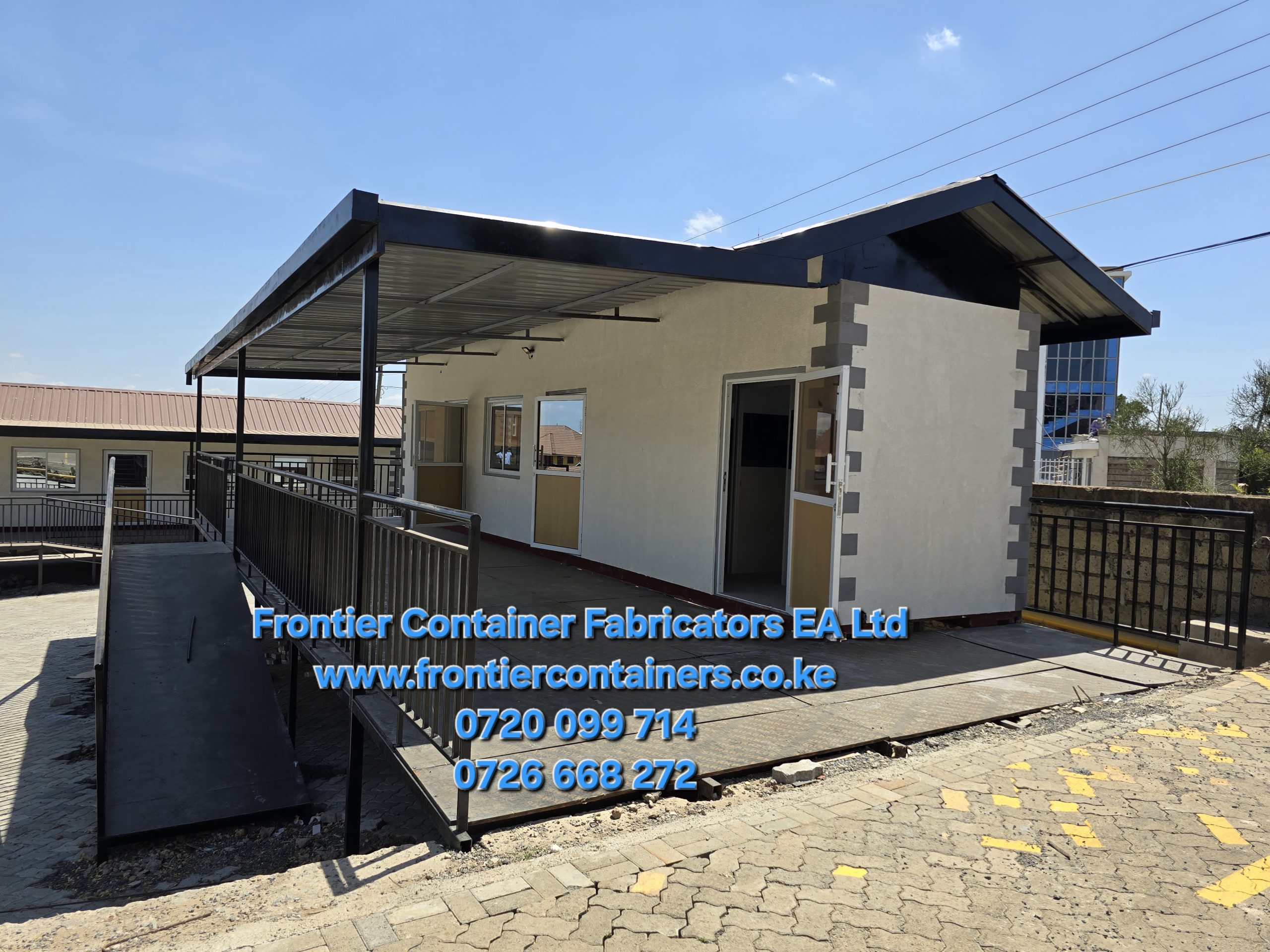
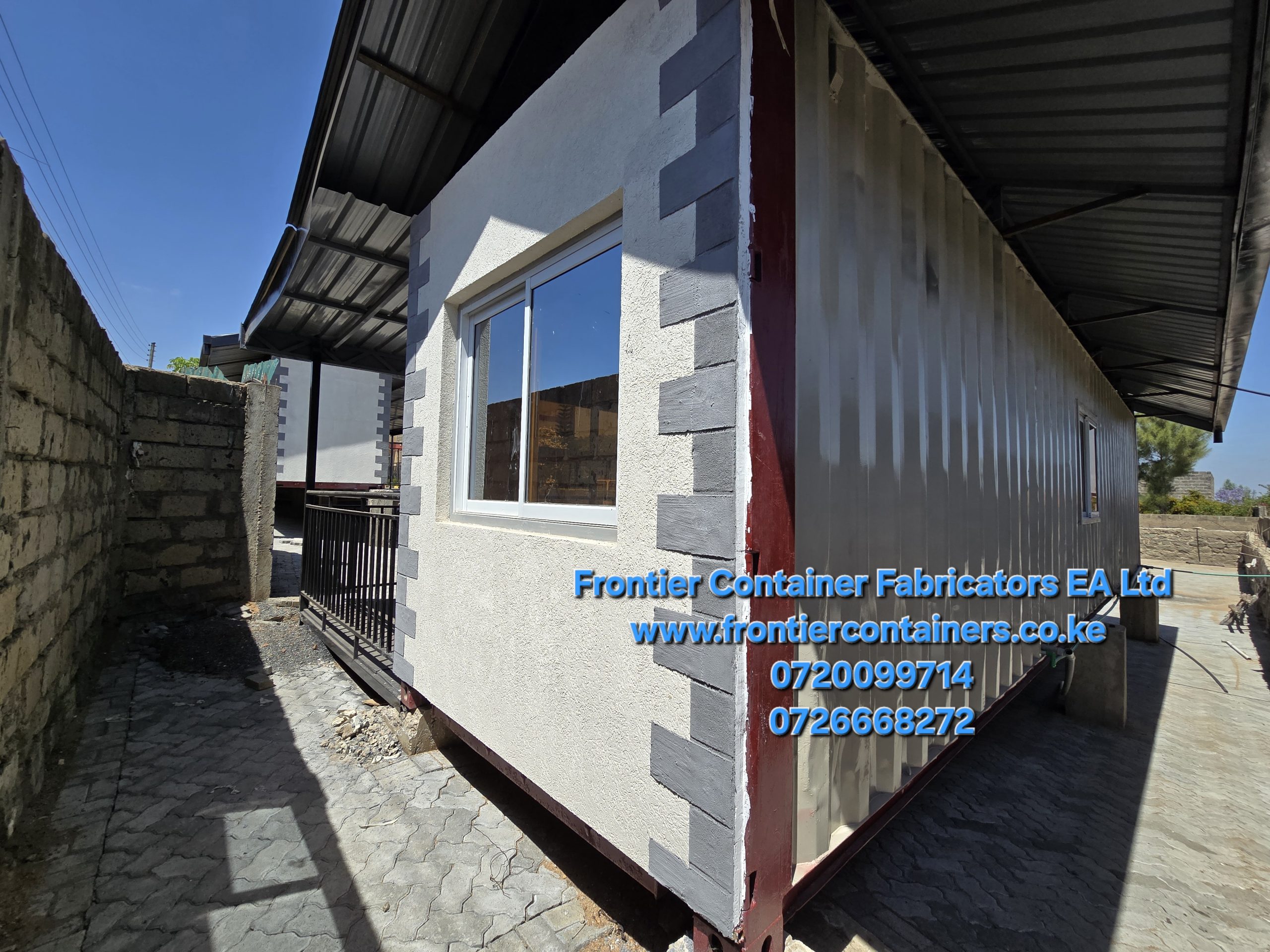
- Better Looks: Cladding can make your container look like a normal house or building, hiding the industrial steel appearance.
- Extra Durability: Some cladding materials can add protection against weather and wear.
- Improved Insulation: Certain types of cladding can help keep your container cooler in hot weather or warmer in cold weather.
- Customization: You can choose from many different materials and styles to match your taste and the look you want.
- Increased Property Value: A well-clad container can look much more attractive and professional, which can increase its value.
Popular Container Cladding Materials in Kenya
There are many materials you can use to clad a container. Each has its own benefits and costs. Here are some of the most popular options in Kenya:
1. Cement Boards (Fiber Cement Boards)
- Description: These are flat, strong boards made from cement, sand, and cellulose fibers. They look like smooth wooden planks or can be painted to look like stone or brick.
- Benefits:
- Very strong and durable.
- Fireproof and waterproof.
- Resistant to insects and rot.
- Can be painted any color.
- Gives a clean, modern look.
- Considerations: Can be heavy. Needs proper installation.
- Best For: Homes, offices, shops that need a modern, clean look.
2. Ceramic Tiles
- Description: These are the same type of tiles used on house walls or floors. They come in many colors, patterns, and finishes.
- Benefits:
- Very attractive and can create unique designs.
- Easy to clean.
- Very durable and long-lasting.
- Considerations: Can be expensive. Heavy. Requires a strong sub-frame. Can be difficult to install on curved container walls.
- Best For: Making a bold design statement on smaller areas or accent walls.
3. Plain Metal Sheets (Profiled or Corrugated)
- Description: These are flat or slightly wavy metal sheets, often made from steel or aluminum. They can be painted in many colors.
- Benefits:
- Strong and very weather-resistant.
- Lightweight compared to some options.
- Relatively affordable.
- Easy and fast to install.
- Considerations: Can get hot in the sun. May rust if not painted or coated well.
- Best For: Industrial looks, budget-friendly projects, or matching other metal buildings.
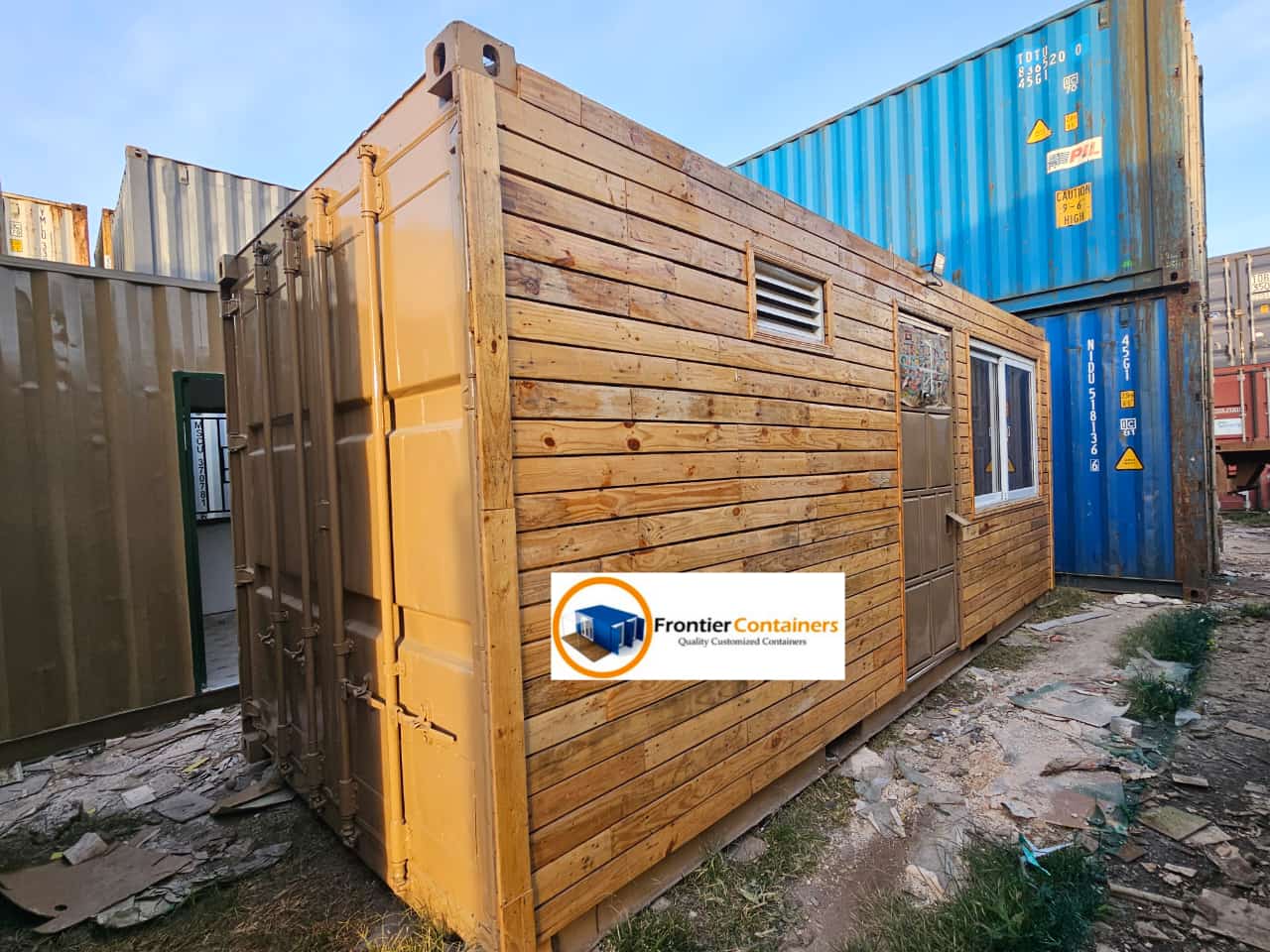
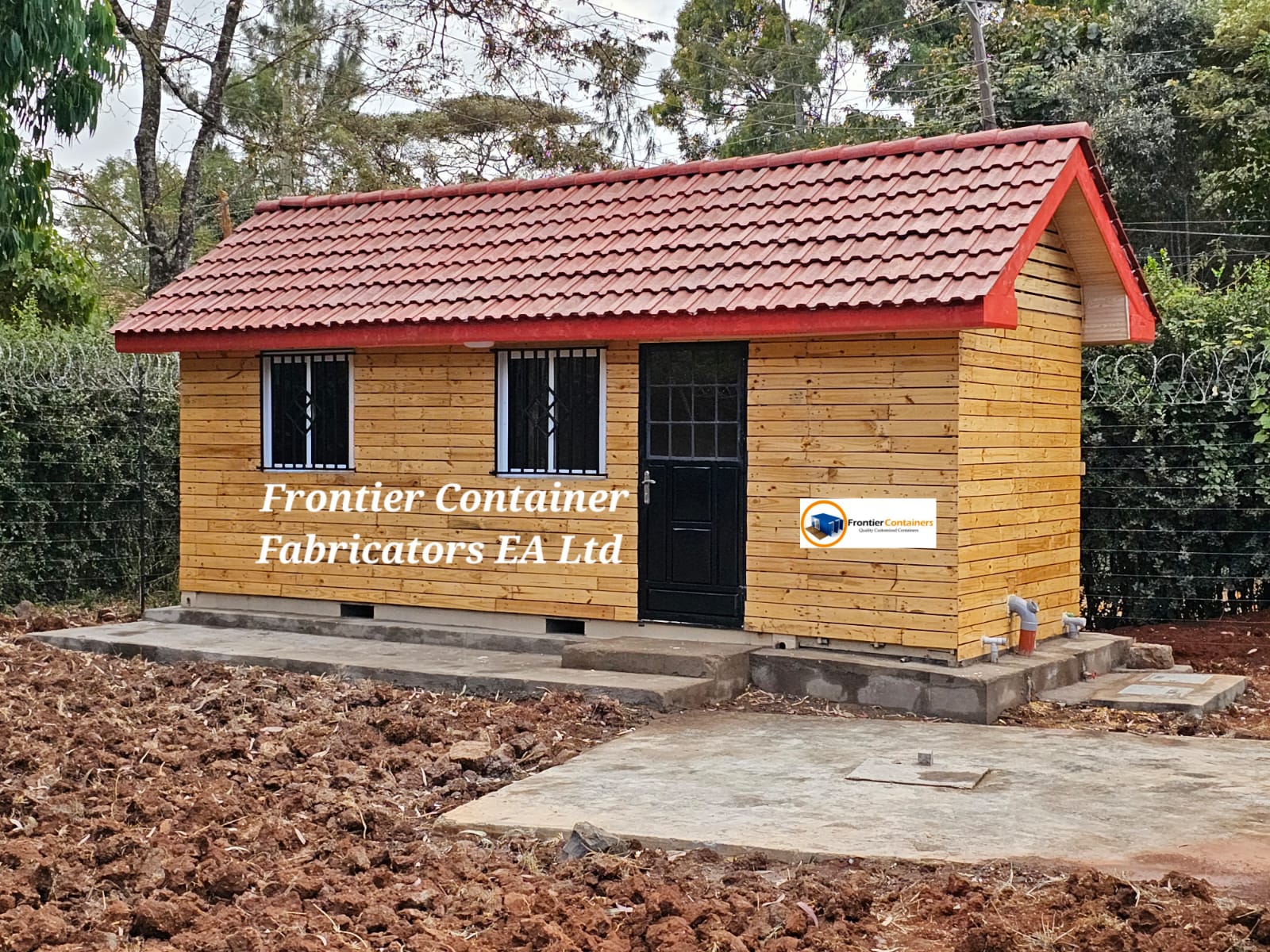
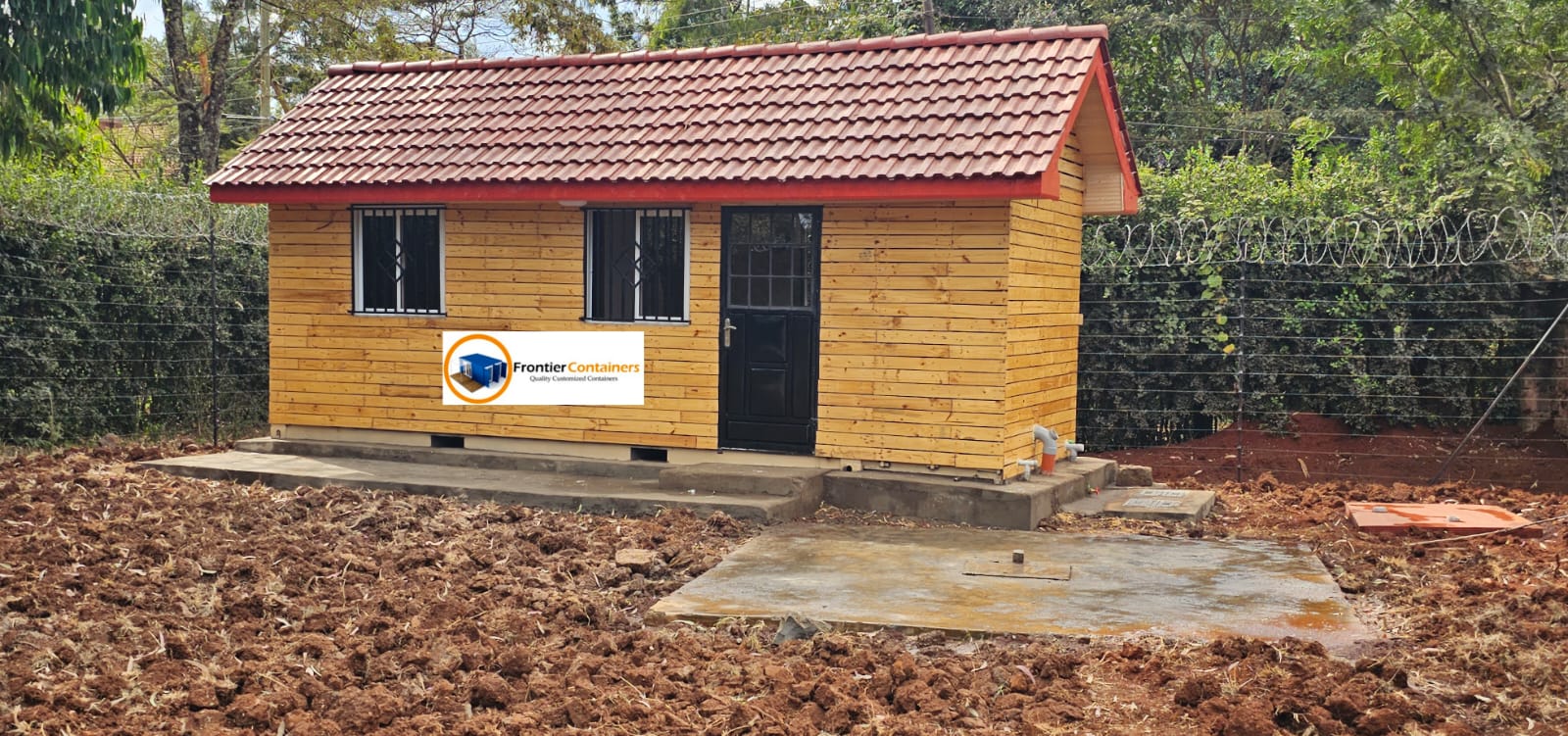
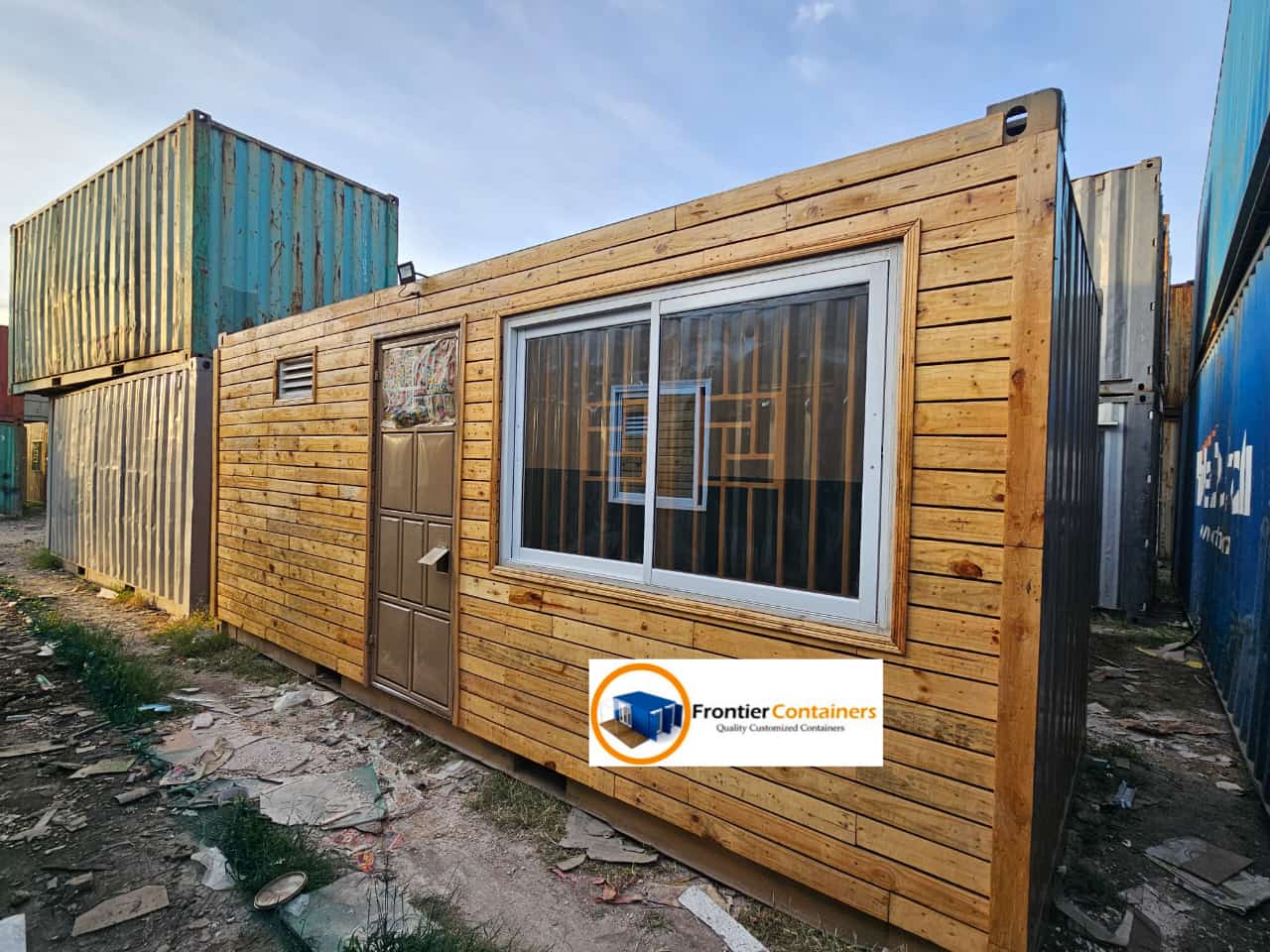
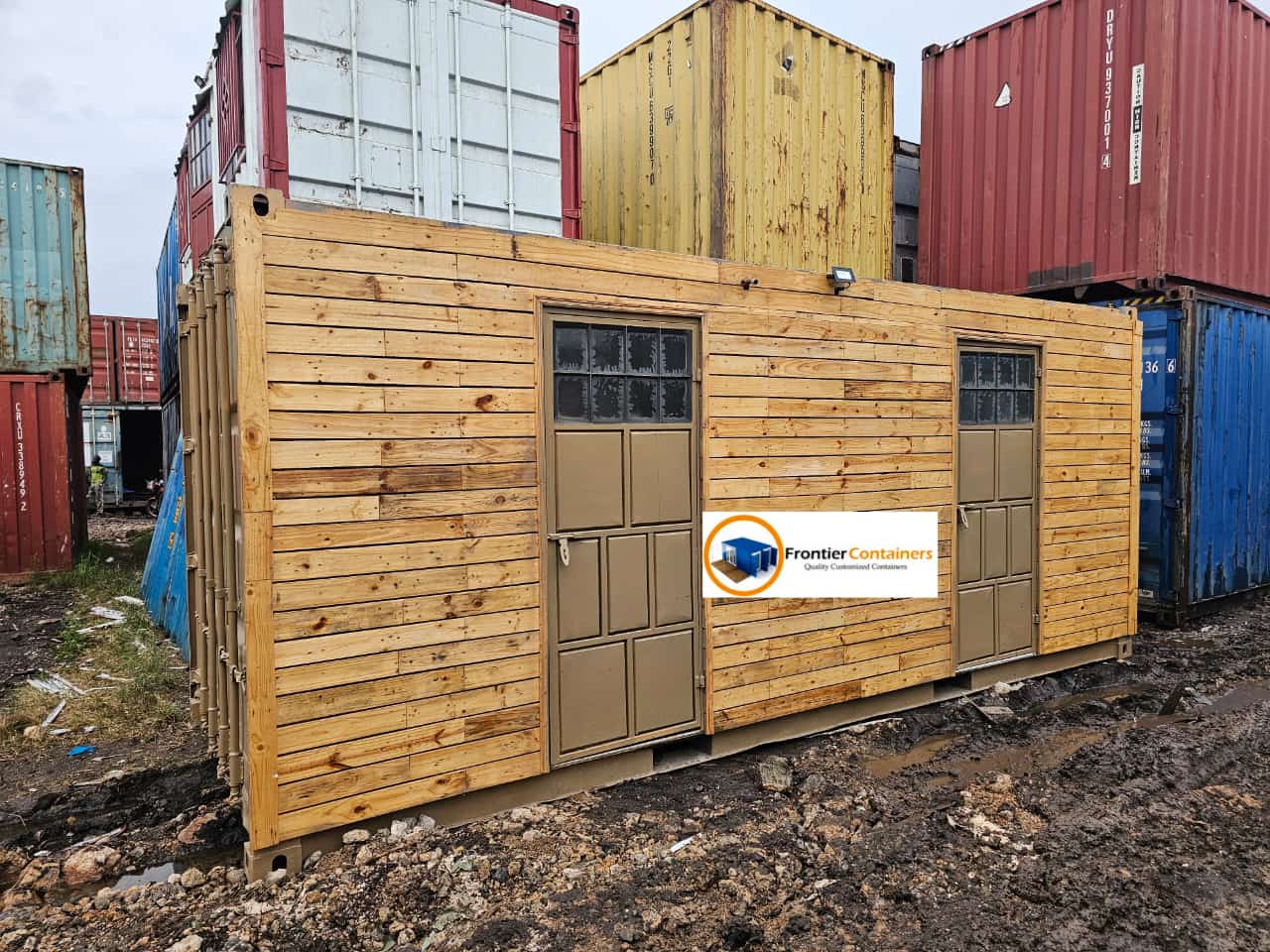
4. Timber (Wood Cladding)
- Description: Real wood planks or wooden boards are used to cover the container walls.
- Benefits:
- Gives a warm, natural, and beautiful look.
- Can make a container feel more like a traditional home.
- Considerations:
- Needs regular maintenance (painting, staining) to prevent rot and insect damage.
- Can be expensive.
- May not be as durable as other materials in harsh weather if not treated well.
- Best For: Homes and projects where a natural, warm look is desired.
(Note: Other materials like PVC, composite panels, or stone veneer can also be used, but the four listed above are the most common and practical in the Kenyan context.)
The Container Cladding Process
Cladding a container is not just attaching something to the wall. It involves several steps:
- Assessment & Design: We look at your container and discuss what look you want. We decide on the best cladding material and design.
- Preparation: The container’s surface is cleaned. Sometimes, a sub-frame (like wooden or metal battens) is built onto the container wall to hold the cladding and create an air gap (which helps with insulation and prevents moisture problems).
- Installation: The chosen cladding material is carefully fixed onto the sub-frame or directly to the container wall according to the design.
- Finishing: This includes sealing joints, painting (if needed), and making sure everything looks neat and is properly secured.
Estimated Pricing for Container Cladding in Kenya
The cost of cladding a container depends on several factors:
- Size of the Container: Cladding a 40ft container costs more than a 20ft one.
- Material Chosen: Timber and tiles are usually more expensive than cement boards or plain metal sheets.
- Amount of Coverage: Cladding all sides costs more than cladding just the front or visible sides.
- Complexity of Design: A simple, flat covering costs less than a complex pattern or design.
- Labor Costs: The cost of skilled workers to install the cladding.
(Please note: These are estimated price ranges for the cladding materials and labor only. The cost of the container itself and any transport/site prep is extra. Prices can vary based on market conditions and specific project details. Contact us for a precise quote.)
Cladding Material | Estimated Price Range per Square Meter (Kshs) | Notes |
|---|---|---|
Cement Boards | 800 – 1,500 | Includes basic installation. Price varies with board quality. |
Plain Metal Sheets (Painted) | 600 – 1,200 | Cost depends on sheet thickness and paint quality. |
Timber (Treated Softwood) | 1,200 – 2,500 | Price varies greatly with wood type and treatment. Includes basic installation. |
Ceramic Tiles | 1,500 – 3,000+ | Very high-end. Includes complex installation. |
Example Cost Calculation: Let’s say you want to clad three sides (front and both ends) of a 20ft container.
- Approximate Area to Clad: 3 sides x (6m length x 2.6m height) = About 47 square meters.
- Using Cement Boards: 47 sqm x Kshs. 800 – 1,500/sqm = Kshs. 37,600 – 70,500 for materials and labor.
Remember, this is just an example. A full quote from Frontier Containers EA Ltd will give you the exact cost for your specific project.
Contact Frontier Containers EA Limited Today!
Want to improve the look and performance of your container structure with professional cladding in Kenya? Contact Frontier Containers EA Ltd for expert advice, quality materials, and reliable installation.
- Email: info@frontiercontainers.co.ke
- Eng. Stephen Karume: Mobile: 0720099714 | Email: steve@frontiercontainers.co.ke
- Ann Nyakio: Mobile: 0726668272 | Email: ann@frontiercontainers.co.ke
- Website: https://frontiercontainerskenya.com
- YouTube Link: https://www.youtube.com/@FrontierContainersEA
- Follow us: Facebook | TikTok
We're on call 24/7
Write To Us
info@frontiercontainers.co.ke
Frequently Asked Questions for Container Cladding
1. How much does it cost to clad a standard 20ft shipping container in Kenya?
The cost depends entirely on the material you choose.
Budget Option (Metal Sheets): If using simple painted metal sheets (approx. Kshs 600–1,200 per sqm), cladding the visible sides of a 20ft container might cost between Kshs 30,000 and 60,000 for materials and labor.
Premium Option (Timber/Tiles): For high-end finishes like treated timber or ceramic tiles (up to Kshs 3,000 per sqm), the cost can range from Kshs 70,000 to over 150,000 for the same area.
Note: Always ask for a quote based on the specific number of walls you want covered (e.g., just the front vs. all sides).
2. Does cladding help keep the container cool in the hot Kenyan sun?
Yes, significantly. Cladding is one of the best ways to cool a container without taking up internal space.
The "Air Gap" Effect: We typically install cladding on a sub-frame (battens) attached to the container wall. This creates a small gap of air between the hot sun and the steel wall.
Shading: The cladding material takes the direct heat of the sun, preventing the steel container from absorbing it. This "double-skin" effect can lower internal temperatures by several degrees.
3. Which cladding material is the most durable for Kenya’s rainy and sunny weather?
For pure durability with low maintenance, Fiber Cement Boards are the top choice.
Why: They are made of cement and sand, meaning they are waterproof, fireproof, and rot-proof. Unlike wood, termites cannot eat them, and unlike metal, they do not rust. They are perfect for Kenya’s heavy rains and hot sun.
4. Can I clad the container to look exactly like a normal stone house?
Yes. This is a common request to help containers blend into residential estates that have strict building codes.
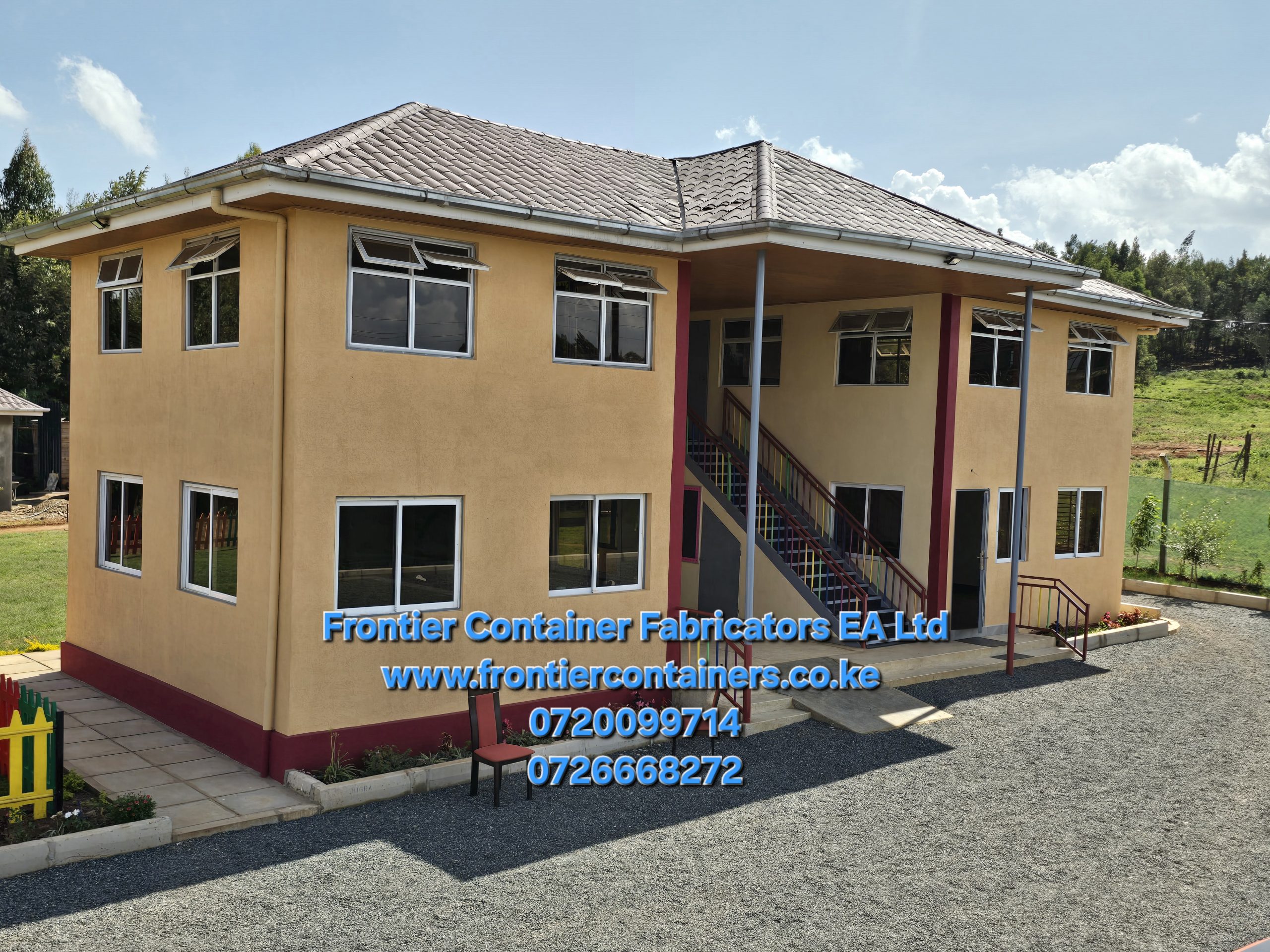
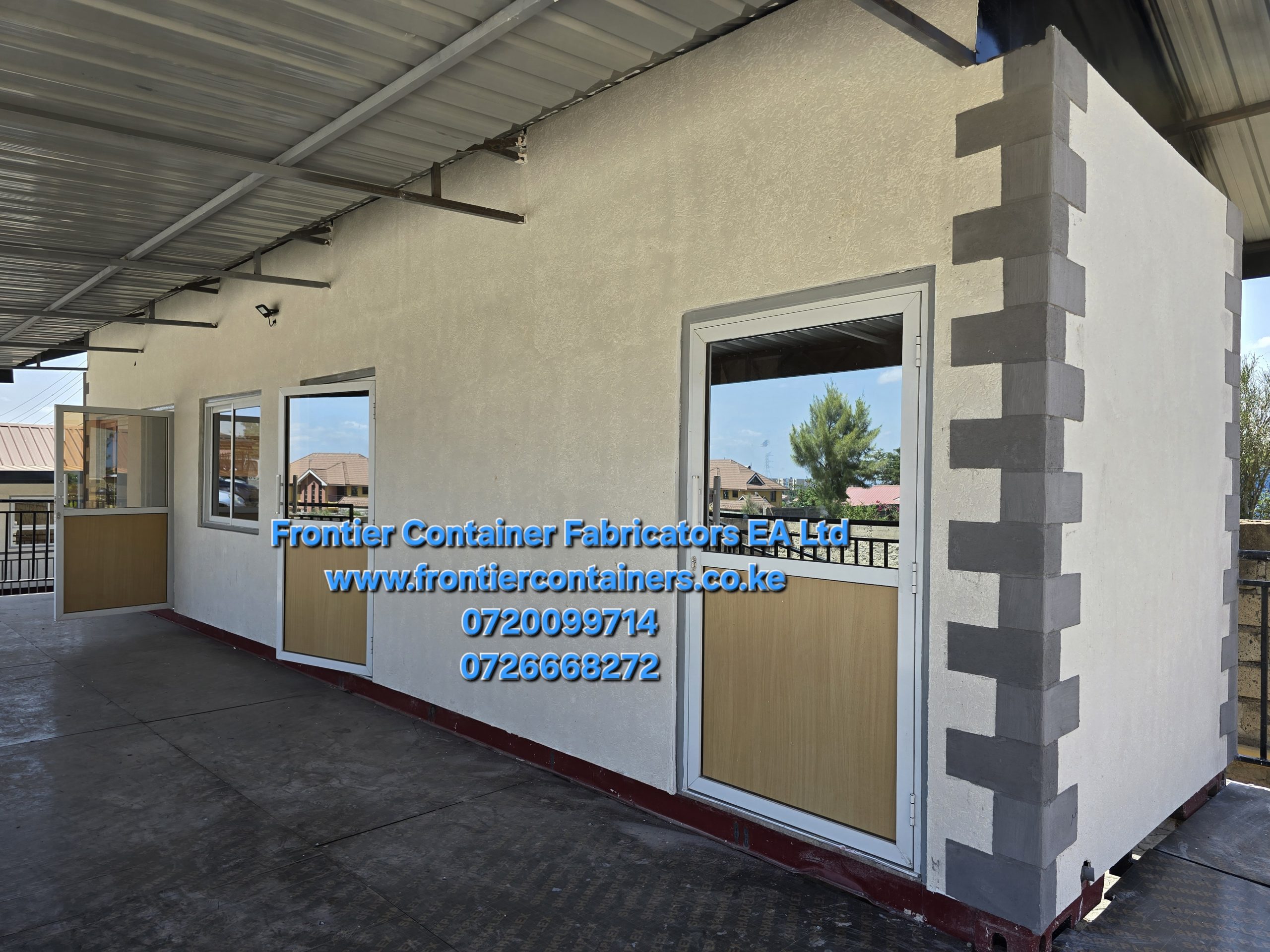
The Solution: We use Fiber Cement Boards painted with textured exterior paint or Stone Veneer (thin slices of real stone) or Ceramic Tiles that mimic brickwork. Once finished, it is almost impossible to tell there is a steel shipping container underneath.
5. Is timber (wood) cladding a good idea, or will it rot?
Timber looks beautiful and warm, but it requires commitment.
Treatment: In Kenya, you must use Treated Timber (like cypress or pine treated with preservatives) to resist termites and rot.
Maintenance: Wood cladding needs to be varnished, stained, or painted every 1-2 years to protect it from the UV rays and rain. If you are willing to do this maintenance, it is a fantastic, natural-looking option.
6. How is the cladding attached to the container? Do you drill holes?
We use a specialized framing system to protect the container's structure.
Sub-Frame: We first attach a grid of vertical and horizontal battens (wood or metal) to the container.
Attachment: We try to minimize drilling directly into the container to prevent leaks. The cladding materials (boards, tiles, wood) are then screwed or glued onto this sub-frame, not the container wall itself.
7. Does cladding affect the portability of the container?
It depends on the material.
Lightweight Cladding: Materials like Metal Sheets or Timber are generally light enough that the container can still be lifted by a crane truck without issues.
Heavy Cladding: Heavy materials like Stone, Ceramic Tiles, or thick Cement Boards add significant weight. If you plan to move the container frequently, we advise against heavy stone cladding as the movement/flexing during transport can cause the mortar or tiles to crack.
8. What is the cheapest way to make my container look better?
If you are on a tight budget, the most cost-effective option is Painted Metal Sheet Cladding or simply a high-quality Exterior Paint Job.
Metal Sheets: Using profiled metal sheets (mabati) in a modern color (like charcoal grey) is very affordable (approx. Kshs 600/sqm) and gives a clean, industrial-chic look that hides the container's dents.
9. Can I do the cladding myself (DIY)?
You can, but it is tricky.
The Challenge: Shipping container walls are not flat; they are corrugated (wavy). Creating a level sub-frame that ensures your cladding sits flat and straight requires skill.
Our Advice: Improperly installed cladding can trap water against the steel wall, causing hidden rust. It is usually safer to hire professionals to ensure the waterproofing and air gaps are correct.
10. How long does the cladding process take?
Cladding is relatively fast compared to building walls.
Timeline: For a standard 20ft container, our team can typically complete the sub-frame and installation of cladding in 3 to 5 days, depending on the complexity of the material (e.g., tiling takes longer than screwing in timber boards).
11. Do I need a permit to clad my container?
Usually not for the cladding itself, but it can help get permits.
Aesthetics: Some residential estates or councils require temporary structures to "match the aesthetic" of the neighborhood. Cladding your container to look like a stone house is often the key to getting approval to place a container on your plot.
12. Can you clad the roof of the container too?
Yes, but we usually recommend a "Roof Over" instead.
Cladding the Roof: We can attach material directly to the roof, but it is risky for leaks.
Better Option: It is far better to build a pitched roof (using timber trusses and iron sheets) over the container. This looks better, provides massive insulation, and ensures 100% water runoff, protecting the container roof from rust.
13. What maintenance is required for Fiber Cement Board cladding?
Very little.
Routine: You mainly just need to wash it down with water occasionally to remove dust.
Painting: The paint on cement boards lasts a long time, typically 5-10 years before needing a refresh, making it a "low headache" option compared to wood.
14. Will the cladding hide the original container doors?
It can.
Design: We can design the cladding to stop at the door frame, leaving the original cargo doors visible for an industrial look.
Concealment: Alternatively, we can clad over the doors (if they are rarely used) or install a false wall in front of them with a standard personnel door, completely hiding the industrial nature of the container.
15. Why should I choose Frontier Containers for my cladding project?
Cladding requires a mix of welding skills (for the frame) and finishing skills (for the aesthetics).
Expertise: At Frontier Containers, we understand the structural movement of containers. We know how to install cladding that allows the container to expand/contract in the heat without cracking the finish, ensuring your investment looks good for years.
-
- Posted by Steve Karume

-
- Posted by Steve Karume
-
- Posted by Steve Karume
-
- Posted by Steve Karume
-
- Posted by Steve Karume
-
- Posted by Steve Karume
-
- Posted by Steve Karume
-
- Posted by Steve Karume
-
- Posted by Steve Karume
-
- Posted by Steve Karume
We Are the Best in This Business
Faster Delivery Times
Customer Satisfaction
Orders Delivered in 3 Days
Increased Storage Capacity
Don't take our word for it.
"We needed extra storage for our warehouse in Nairobi, and Frontier delivered a perfect 40ft container right on time. Their service is top-tier!"
James M.
"Leasing a modified container for my roadside shop was the best decision. It’s affordable and looks amazing!"
Fatuma A.
"The team at Frontier Containers turned our vision of a mobile office into reality. Fast delivery and great quality!".